Amendment 3 Passed: What December 31 Means If You Are Moving to Northeast Florida

You are at the kitchen table somewhere cold, with a spreadsheet open and the same plan you have been refining for two years: sell up north, move to the Florida coast, maybe in 2028. Then a headline stops you. Florida just changed its homestead exemption, and there is a date attached, December 31, 2026. It is close enough to make you wonder whether your careful plan just got a deadline you never asked for.
Florida voters approved Amendment 3 on November 3, 2026, with about 62 percent of the vote. It raises the non-school homestead exemption to $150,000 in 2027 and $250,000 in 2028 for those who are Florida permanent residents on December 31, 2026. People who become residents later start with the existing exemption and reach the larger one beginning with their fifth year of exemption. It matters, but it should not rush a move you are not ready to make.
What Voters Actually Approved
Here is the plain version, drawn from Florida TaxWatch, the St. Johns County Property Appraiser and news reports after the vote. Results were still unofficial when this was written, and the Legislature still has implementing work to do, so check for updates.
- The bigger exemption: The homestead exemption on non-school property taxes rises to $150,000 of assessed value on January 1, 2027, and $250,000 on January 1, 2028. It adjusts for inflation starting in 2029.
- School taxes do not change. You will still get a tax bill. TaxWatch says school taxes make up about 40 percent of the average bill.
- Save Our Homes and portability stay. TaxWatch reports the 3 percent cap on annual assessment growth for homesteads and the ability to carry savings to a new Florida home remain in place.
- Second homes get no homestead break. Rentals, vacation homes and other non-homestead property do not qualify for the larger exemption, but their annual assessment cap on non-school taxes drops from 10 percent to 5 percent.
The December 31 Line
This is the part that matters if you do not live here yet. Under the ballot summary, people who are not Florida residents on December 31, 2026 get the existing homestead exemption when they qualify, roughly $50,000 on non-school taxes, with the larger exemption beginning in their fifth year of exemption, to the extent the U.S. Constitution allows.
Starting in 2030, law firm Kaufman Rossin notes, a county or city could shorten that wait by a two-thirds vote if it finds a critical local need. Whether any will is anyone's guess.
Being a Florida resident and having a Florida homestead are two different things, and that trips people up. Normally, to claim homestead for a tax year, you must own the home and live in it as your permanent residence on January 1, then file with your county property appraiser by the March 1 deadline. So a person who wants the largest benefit in 2027 would need to think about both dates. The law firm Bilzin Sumberg advised planning around each of them separately.
What It Is Worth, in Real Dollars
TaxWatch offers a simple way to estimate it. Take your total non-school millage and multiply by $98.59 for 2027 or $198.59 for 2028. At a statewide average of 10.5 mills, that works out to about $1,035 in 2027 and $2,085 in 2028. Your millage will be different, and the St. Johns County Property Appraiser's website has an estimator you can try.
Notice what that means for a coastal purchase. The savings are a fixed amount once your home is assessed above the exemption. A $1.5 million home in Ponte Vedra Beach and a $600,000 home in Nocatee in the same tax district would save about the same dollar figure. On a higher-priced home, it is helpful but a smaller share of the overall bill.
There is also a caution. State economists estimated local property tax revenue would fall by nearly $12 billion a year, and TaxWatch notes local governments could respond by raising millage rates or other taxes and fees. Treat any estimate as a best guess and not a promise.
Planning a Move to Northeast Florida?
Joey can run real property tax numbers on the homes and communities you are considering, both ways, so you can make this decision with actual figures.
Call or text Joey Larsen: 904-863-6679
or visit RetireMeToFlorida.com
Three Situations, Three Different Answers
You were already planning to move soon
If you were going to move in the next year anyway and your affairs allow it, this is worth a serious conversation now. The steps usually cited as evidence of residency include a Florida driver's license, voter registration, vehicle registration, a declaration of domicile and updated mailing and financial addresses. Kaufman Rossin cautions that a license and voter registration help but do not settle the question alone. Our guide to Florida licenses, registration and residency covers the basics.
You are two to five years from retirement
Do the math before you change anything. A few thousand dollars a year for the first several years is real money. So is selling your home up north in a rush, giving up a salary early or buying the wrong house under deadline pressure. For most planners, the right answer is probably to add this number to the spreadsheet and keep going.
You want to buy a winter place first
A second home does not earn a homestead exemption, and a change of address on paper does not make one. If you keep your main home up north and spend most of your time there, your former state may have its own view of where you live. Kaufman Rossin flags that as a real question, with income tax exposure attached. Ask a tax adviser in both states before you claim anything.
What Is Still Unsettled
Several details need more clarity. The Legislature's 2027 session runs from March 2 to April 30, and implementing legislation could change how this works in practice. Open questions include how waiting years will be counted, how permanent residence will be proven, and how the rules apply to someone who is a resident on December 31 but buys a home later. Some observers also question whether treating newcomers differently is constitutional, and the amendment's own language acknowledges that limit.
If you read an article that sounds completely certain about these points, be skeptical. This one is general information, not legal or tax advice. Talk to a Florida attorney or tax professional about your own situation. For how the existing exemption works, see our homestead guide for new homeowners, written before this vote.
Frequently Asked Questions
Do I have to own a Florida home by December 31, 2026?
The ballot summary speaks to being a Florida resident on that date, and the benefit applies to a qualifying homestead. How that applies to someone who becomes a resident first and buys later is one of the details still to be worked out. Ask a Florida attorney before relying on it.
What if I move to Florida after December 31, 2026?
You would receive the existing homestead exemption when you qualify, with the increased exemption beginning in your fifth year of exemption. Starting in 2030, a local government may be able to shorten that wait.
Does Amendment 3 eliminate my property taxes?
No. School taxes still apply, and many homes are assessed above the exemption. Homes assessed at or below it would owe no county, city or special district tax, but would still owe school taxes.
I already live in Florida and have a homestead. Do I need to do anything?
Watch for guidance from your county property appraiser. Save Our Homes and portability are reported to be unchanged, and if you were a permanent resident on December 31, 2026, you should be on the track for the larger exemption beginning in 2027.
Search Northeast Florida Homes
Whatever your timeline, it helps to see what is out there. Browse homes across Northeast Florida.
What To Do Right Now
- Write down the date you were realistically planning to move, before the headline.
- Estimate the tax difference using your target county's millage and the TaxWatch method.
- Talk to a tax adviser about residency in both your current state and Florida.
- Do not sign anything for a deadline alone. Make sure the house and the timing still make sense without it.
- Call or text Joey at 904-863-6679 to compare real homes and real tax bills.
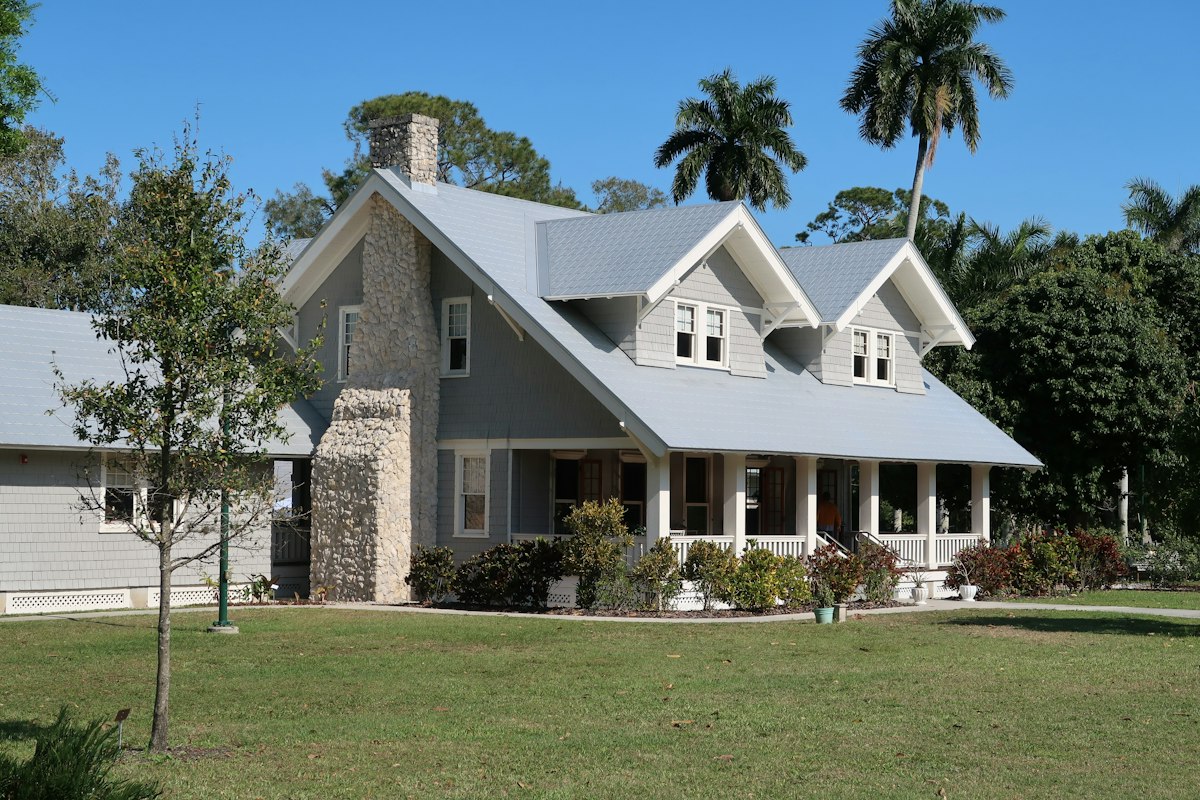
Cover photo: St Aug Fullerwood Park22b by Ebyabe, CC BY-SA 3.0, via Wikimedia Commons.
Categories
- All Blogs (1032)
- Buyer Questions (10)
- Buyer Resources (14)
- Communities (8)
- Cost of Living (6)
- Insurance & Risk (1)
- Jacksonville / St. Johns County (3)
- Joey Studies The Market (1)
- Local Area Happenings (1)
- Local Favorites (236)
- Market Intelligence (236)
- Market Update (3)
- Nocatee (2)
- Northeast Florida Market (1)
- Our Communities (4)
- Questions Buyer Are Asking (23)
- Questions Sellers Are Asking (35)
- Real Estate Done Right (10)
- Relocation (1)
- Relocation Guides (225)
- Retirement Planning (4)
- Seller Resources (3)
- The Florida Life (225)
Recent Posts